The Tax Benefits of Buying a Private Jet
If you’ve been thinking about buying a private jet or a share in one, this time of year is when the numbers start to get very interesting. For many U.S. business owners and high-income individuals, an aircraft isn’t just a lifestyle upgrade. It can also be a powerful tax and productivity tool when it’s structured and used correctly.
At Fly Boomerang, we don’t just fly people. We also help clients explore full and fractional aircraft ownership so they can take advantage of the flexibility, control, and tax opportunities that come with having access to their own aircraft.
Below is a clear, business-focused look at how the tax side can work, and why acting before year-end can make a big difference.
How Buying a Private Jet Becomes a Tax Asset
In U.S. tax law, a private jet used primarily for business is usually treated as a depreciable business asset, similar in concept to heavy equipment or technology infrastructure. That opens up three major potential benefits:
- The ability to depreciate the aircraft over time
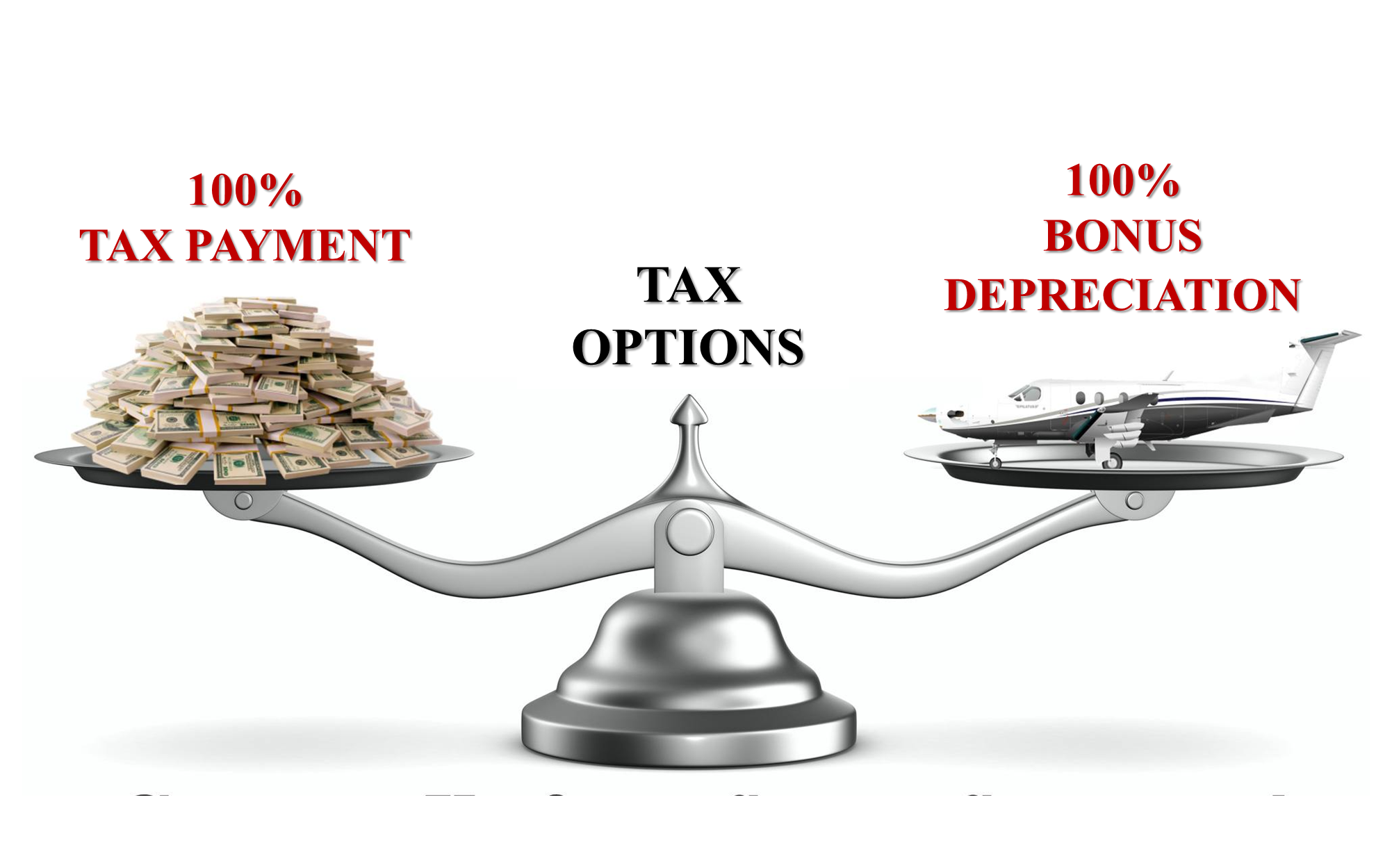
- The possibility of accelerated or bonus depreciation under current rules
- Deductible operating expenses related to legitimate business use
If your aircraft is used predominantly for business, you may be able to take a significant deduction in the first year it’s placed in service, subject to current IRS rules. That deduction can offset income from your business or other sources and significantly reduce your current tax bill.
The key is simple: the aircraft must be acquired and placed in service during the tax year for you to claim those deductions for that year. If you’re reading this in November, that means decisions made now can still impact this year’s taxes.
Ownership Options: Full, Fractional, or Structured Access
There isn’t just one way to “own a jet.” The structure you choose will impact both your lifestyle and your tax treatment. Broadly, you’re looking at three paths:
- Full ownership
You or your business purchase an entire aircraft. This offers maximum control over schedule, configuration, and branding, along with the ability to depreciate the full value (subject to business use and current rules). It also comes with the highest fixed costs and the need for professional management. - Fractional ownership
You buy a share of an aircraft and receive a set number of flight hours per year. Your share can generally be treated as a business asset when used for business purposes, and your proportional operating and management fees may be deductible to the extent of business use. This is often attractive for companies or individuals who fly regularly but not enough to justify owning 100% of an aircraft. - Charter supported by a purchase strategy
You may start on charter while evaluating whether full or fractional ownership fits your usage pattern and tax position. For bona fide business trips, charter costs themselves can be deductible as ordinary and necessary business expenses, even if you’re not ready to purchase yet.
Fly Boomerang can help model these options so you understand not just the flying experience, but the cost and tax implications of each path.
Why Timing Matters: The Year-End Window
For U.S. taxpayers, the tax year generally closes on December 31. For many types of aircraft-related deductions, what matters is whether the aircraft is:
- Acquired under a binding contract, and
- Placed in service (actually available and ready for its intended use) within the tax year
If those conditions are met and the aircraft is used primarily for qualified business purposes, you may be able to take a substantial deduction for the current year instead of spreading everything evenly over many years. That can create a meaningful cash-flow advantage, especially if you had a strong year and are facing a significant tax bill.
This is why November and December are often extremely busy months in business aviation. Buyers who move now are not just buying a jet; they’re potentially reshaping this year’s tax position.
Business vs Personal Use: Getting It Right
The IRS focuses heavily on how the jet is used. To protect your deductions, you’ll want:
- Clear flight logs showing who flew, where, and for what purpose
- A realistic breakdown between business, personal, and entertainment use
- Policies that distinguish true business travel (client meetings, site visits, investor roadshows, time-sensitive internal travel) from purely personal trips
Business use drives your ability to depreciate the aircraft and deduct operating costs. Personal and entertainment use may be limited or treated differently, and may create taxable fringe benefits for executives or owners.
This doesn’t mean you can never use the aircraft personally. It simply means the tax benefits will be tied to the percentage and nature of your business use, and you need clean documentation to support that.
Financing, Operating Costs, and Cash Flow
Beyond depreciation, there are additional tax angles to buying a private jet that can help the numbers make sense:
- Interest on financing can often be deductible when the aircraft is used for business purposes
- Operating costs such as fuel, crew, maintenance, insurance, and hangar or management fees may be deductible in proportion to business use
- If the aircraft is placed on a charter certificate when you’re not using it, charter revenue may help offset costs, subject to FAA and IRS rules
When you combine these elements with accelerated depreciation, the effective after-tax cost of ownership can be considerably lower than the sticker price suggests, especially in the first few years.
Why Work With Specialists
Buying a private jet or a fractional share is not something to navigate with guesswork. You want three kinds of partners:
- An aviation tax-savvy CPA or tax attorney to interpret current IRS rules for your specific situation
- An experienced aviation consultant / broker to help select, structure, and acquire the right aircraft or share
- A charter and management partner like Fly Boomerang to keep operations safe, efficient, and aligned with your intended business use
The goal is to design a structure where your aircraft is a legitimate, productive business tool that also delivers comfort, privacy, and time savings.
How Fly Boomerang Fits In
Fly Boomerang already manages charter flights for clients who value flexibility, reliability, and personal service. For clients considering ownership or fractional ownership, we can:
- Help you understand whether your current and projected flying pattern supports full ownership, fractional, or a hybrid model
- Connect you with trusted advisors who specialize in U.S. aviation tax and legal structuring
- Support aircraft management and chartering if you decide to acquire a jet and want it to generate revenue when you’re not flying
Most importantly, we help you align the lifestyle benefits and the tax and business benefits so the aircraft works for your life, not the other way around.
Ready to Explore It Before Year-End?
If you’ve had a strong year and you’re already flying regularly on charter, this may be the moment to seriously evaluate whether owning a private aircraft or a share in one makes strategic sense. The potential tax benefits are closely tied to timing, and the window for this tax year closes at the end of December.
If you’d like to explore the numbers, your ownership options, and how a private jet could fit into your business and personal plans, reach out to the Fly Boomerang team. We’ll help you take a clear, informed look at what ownership or fractional ownership could do for your time, your flexibility, and your long-term tax strategy.