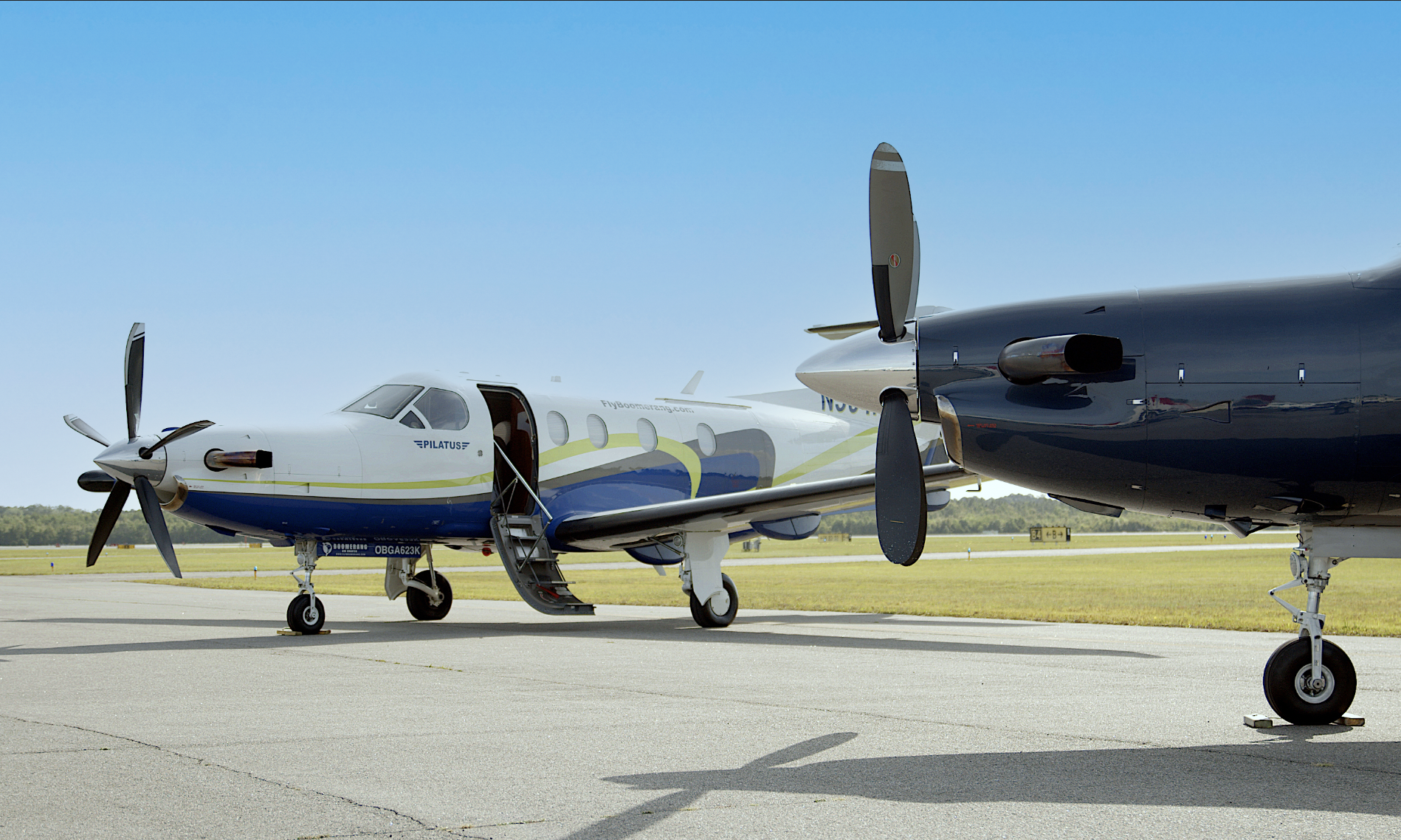
What to Look for When Buying a Private Jet
The allure of owning a private jet is undeniable. For high-net-worth individuals and businesses alike, it represents the ultimate in luxury, convenience, and control. But beyond the glamour, purchasing a private jet is a complex decision involving financial, operational, and legal considerations. Whether you’re a seasoned flyer or exploring ownership for the first time, understanding what to look for—and how to maximize your investment—is essential.
The World of Private Jets
Private jets are more than just status symbols. They are powerful tools for enhancing productivity, privacy, and flexibility. From light jets ideal for short regional hops to ultra-long-range aircraft capable of intercontinental travel, the market offers a wide range of options tailored to different needs.
Ownership allows you to bypass the limitations of commercial aviation—no more waiting in queues, dealing with delays, or flying on someone else’s schedule. Instead, you gain the freedom to travel on your terms, with the added benefit of customizing your aircraft to suit your lifestyle or business requirements.
Benefits of Private Jet Ownership
Owning a private jet comes with a host of advantages that go far beyond convenience:
Time Efficiency: Fly direct to your destination, avoid layovers, and reduce travel time significantly.
Privacy and Comfort: Enjoy a personalized cabin environment, ideal for confidential meetings or family travel.
Access to Remote Locations: Reach airports not served by commercial airlines, including private airstrips.
Business Productivity: Conduct meetings in-flight, stay connected with onboard Wi-Fi, and arrive refreshed.
Asset Appreciation: While jets depreciate, they can be leveraged as business assets with potential tax advantages.
Tax Benefits: Under certain conditions, jet ownership can offer significant tax deductions—especially through a private jet tax write off.
For frequent travelers, executives, and entrepreneurs, the benefits of jet ownership often outweigh the costs, particularly when structured strategically.
Key Features to Look for When Buying a Private Jet
Purchasing a private jet is a major investment, and choosing the right aircraft requires careful evaluation. Here are the most important features to consider:
Aircraft Type and Size
Determine your typical travel needs. Light jets are cost-effective for short trips, while midsize and heavy jets offer more range and cabin space for longer journeys.
Maintenance History
Always review the aircraft’s maintenance records. A well-maintained jet ensures safety, reliability, and lower operating costs.
Cabin Configuration
Consider seating capacity, layout, and amenities. Do you need a sleeping area, conference table, or entertainment system?
Range and Performance
Check the jet’s maximum range, cruising speed, and fuel efficiency. These factors affect how far and how fast you can travel.
Regulatory Compliance
Ensure the aircraft meets all aviation regulations, including certifications from US and International Aviation Authorities.
Operating Costs
Factor in crew salaries, hangar fees, insurance, fuel, and maintenance. These ongoing costs can vary widely depending on the aircraft.
Tax Strategy
Work with a financial advisor to structure your purchase in a way that maximizes your private jet tax write off potential.
Understanding Donald Trump’s Tax Deal and the Private Jet Tax Write Off
One of the most talked-about aspects of private jet ownership in recent years is the tax advantage introduced under the Tax Cuts and Jobs Act (TCJA), signed into law by President Donald Trump in 2017. This legislation made it possible for businesses to deduct 100% of the cost of a new or used private jet in the first year of ownership, provided the aircraft is used primarily for business purposes.
This private jet tax write-off—known as “bonus depreciation”—has had a significant impact on the aviation industry. It allows companies to offset the cost of jet acquisition against their taxable income, effectively reducing the financial burden of ownership.
While this tax incentive is based on U.S. law, it has influenced global buyers and sellers, especially those with cross-border business operations. UK-based buyers with U.S. subsidiaries or operations may be able to benefit from similar structures, depending on their corporate setup and tax residency.
It’s essential to consult with a tax professional who understands aviation law and international tax treaties to determine how you can legally and effectively benefit from a private jet tax write off.
Top 10 FAQs About Buying a Private Jet
Here are the most commonly searched questions by prospective jet buyers, along with clear answers to guide your decision:
How much does a private jet cost?
Prices range from £1 million for a light jet to over £50 million for a long-range aircraft. Pre-owned jets offer significant savings.
Should I buy new or pre-owned?
Pre-owned jets are more affordable and often come with upgrades. However, new jets offer the latest technology and longer warranties.
How long does the purchase process take?
Typically 4–12 weeks, depending on inspections, financing, and legal documentation.
What are the annual operating costs?
Expect to spend £500,000 to £2 million annually, depending on aircraft type and usage.
Can I lease out my jet when not in use?Yes, many owners offset costs by chartering their jet through management companies.
What’s the resale value of a private jet?
Jets depreciate over time, but well-maintained aircraft retain value better. Market demand also plays a role.
Do I need a special license to own a jet?
No, but your pilots must be certified, and your aircraft must meet regulatory standards.
What’s the difference between fractional ownership and full ownership?
Fractional ownership gives you access to a jet for a set number of hours per year, while full ownership offers complete control.
How do I ensure my jet is safe?
Work with reputable brokers and conduct thorough pre-purchase inspections. Choose aircraft with strong maintenance histories and certified crews.
Ready to Explore Jet Ownership?
Buying a private jet is a bold and rewarding move, offering unparalleled freedom and potential financial advantages – especially when structured around a private jet tax write-off. Whether you’re looking for business efficiency, personal luxury, or long-term investment, the right aircraft can elevate your lifestyle and operations.
If you’re considering jet ownership or want to learn more about how air charter fits into your travel strategy, get in touch with us today. We offer a free, no-obligation chat to help you explore your options and discover how private aviation can work for you. Let’s take your journey to new heights.